Proving hotel negligence after a bed bug exposure generally requires more than showing that bed bugs were present. Evidence may need to establish that the hotel failed to act reasonably under the circumstances, that this failure contributed to the exposure, and that you suffered injuries or financial losses as a result.
Photographs, hotel reports, medical records, booking information, receipts, witness accounts, and evidence of previous complaints or pest problems may all become relevant. The specific legal requirements vary by state, and no single piece of evidence automatically proves negligence.
If you experienced an infestation during a stay, learn more about how Bed Bug Lawyers handles hotel bed bug claims. Keep reading to learn about proving hotel negligence for bed bug claims in more detail.
What Does Hotel Negligence Mean in a Bed Bug Claim?
Negligence generally involves a legal duty, a failure to meet that duty, a connection between that failure and the injury, and resulting damages.
In a hotel bed bug claim, an attorney may identify negligence by asking the following questions:
- Did the property use reasonable room-inspection practices?
- Were there previous complaints or signs of an infestation?
- Was pest treatment performed when problems were discovered?
- How did hotel staff respond after the guest reported bed bugs?
- Is there evidence connecting the exposure to the room?
- What injuries or financial losses followed?
The existence of bed bugs alone does not answer all of these questions. The strength of a claim often depends on the evidence surrounding the infestation and the hotel’s response.
What Evidence May Help Prove Hotel Negligence?
The most useful evidence often establishes three things: where the exposure occurred, what the hotel knew or reasonably should have known, and how the incident affected you.
1. Photographs and Video From the Hotel Room
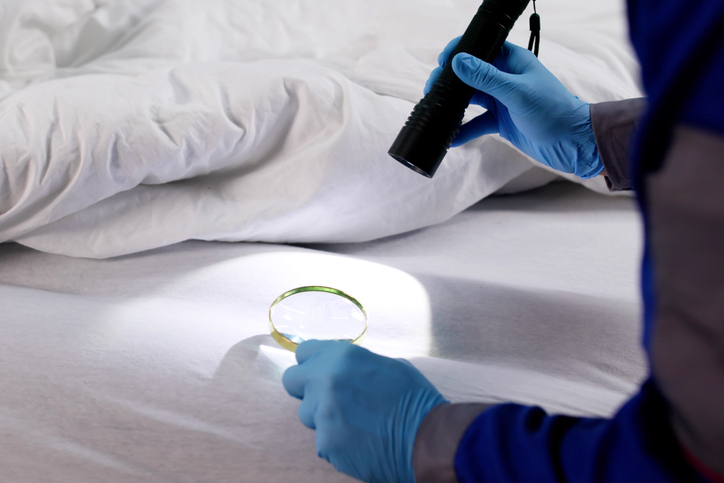
To make a property’s negligence more apparent, photograph any visible bugs, eggs, shed skins, dark spotting, reddish stains, or other physical signs you observe. Include the room number or another detail identifying the property when possible.
Skin reactions alone are a poor indicator of a bed bug infestation because bites may resemble other insect bites or skin conditions. Physical signs in the room generally provide stronger supporting evidence.
Useful photographs may include:
- Mattress seams and bedding
- The box spring and bed frame
- The headboard
- Nearby furniture
- Luggage racks
- Visible insects or spotting
- The hotel room number
You do not need to dismantle furniture or put yourself at risk to collect evidence.
2. A Written Report to the Hotel
If you experienced a bed bug injury in a hotel, report the suspected infestation to hotel management as soon as reasonably possible and request a written incident report.
The most important part of this step is to preserve the names and positions of the people you spoke with and any emails, text messages, or other written communications. If you complete an incident report, keep or photograph a copy.
A report does not prove negligence by itself. It may, however, help document when the hotel received notice, what you reported, and how staff responded.
3. Photographs and Medical Records Showing Your Injuries
Continue photographing skin reactions as they develop or change, preferably under similar lighting.
Medical records may help document the nature and timing of your symptoms, any treatment provided, prescriptions, and related expenses. They should generally be considered alongside the other evidence rather than treated as proof, by themselves, that a particular hotel caused the reaction.
4. Your Reservation and Hotel Records
Keep your:
- Booking confirmation
- Hotel folio
- Room number
- Dates of the stay
- Payment receipts
- Emails and messages from the property
- Refund or relocation communications
These records help establish when and where you stayed and connect the other evidence to the property.
5. Records of Your Financial Losses
Preserve receipts and other records showing expenses related to the incident.
Depending on the circumstances, these may include medical bills, prescriptions, replacement lodging, transportation, cleaning or pest-treatment expenses, damaged belongings, and documentation of missed work.
Why Prior Bed Bug Complaints May Matter
One of the most important issues in a hotel bed bug claim may be notice.
An attorney may investigate whether the hotel actually knew about an infestation or whether circumstances suggest that reasonable inspection and maintenance practices should have revealed the problem.
Evidence of prior notice might include:
- Previous guest complaints
- Earlier pest-control treatments
- Housekeeping reports
- Maintenance records
- Inspection records
- Documentation showing that a room was previously removed from service
- Reports involving nearby rooms
This does not mean that one old online review automatically proves negligence. Reviews may instead provide information that warrants further investigation.
The timing, credibility, location, and circumstances surrounding an earlier report all matter.
What Evidence Might the Hotel Have?
Some potentially important evidence may not be available to a guest at checkout.
A hotel or another involved party may possess records concerning:
- Previous complaints
- Housekeeping inspections
- Pest-control treatments
- Room maintenance
- Previous room closures
- Communications among hotel staff
- Responses to earlier infestations
This is one reason guests should focus on preserving the evidence already within their control rather than assuming they must obtain every internal hotel record before contacting an attorney.
Depending on the circumstances, Bed Bug Lawyers may seek additional information and take steps to preserve relevant evidence while handling an appropriate claim during the pre-litigation process.
What If I Did Not Collect Perfect Evidence?
A missing photograph, incident report, or physical bed bug does not automatically determine whether our office may assist with a claim.
An attorney may review the evidence that does exist, including:
- Photographs of injuries
- Reservation records
- Hotel communications
- Medical documentation
- Witness accounts
- Receipts and financial records
- Information about previous complaints or pest treatment
Bed bug claims often require looking at several pieces of evidence together rather than relying on one item.
If you already left the property, write down what happened while the details are still fresh. Record the room number, dates, when you first noticed symptoms, what you observed, who you spoke with, and what the hotel told you.
How Bed Bug Lawyers Review Hotel Bed Bug Claims
Bed Bug Lawyers handle certain types of hotel bed bug claims nationwide on a pre-litigation basis. The firm offers free consultations to review the circumstances and determine whether the office may be able to assist.
During pre-litigation representation, an attorney may organize evidence, identify potentially responsible parties and insurers, request available records, document injuries and losses, prepare a demand package, and communicate with an insurer or another representative.
Bed Bug Lawyers also handle incidents arising from different types of commercial lodging, including resorts and motels, depending on the circumstances.
The firm reports millions recovered for bed bug victims, and its published resolved bed bug cases include numerous hotel and resort matters. Each case is different, and previous results do not guarantee or predict the outcome of another claim.
Speak With Bed Bug Lawyers About a Hotel Bed Bug Claim
If you suffered injuries or financial losses after a bed bug exposure during a hotel, motel, or resort stay, preserve the evidence you have and consider requesting a legal review.
Bed Bug Lawyers offers free consultations and handles certain types of bed bug claims nationwide on a pre-litigation basis. Contact Bed Bug Lawyers to discuss what happened and whether the office may be able to assist with your claim.